Same Molecule, Two Receipts: Following Atorvastatin From an American Shelf to a Canadian One
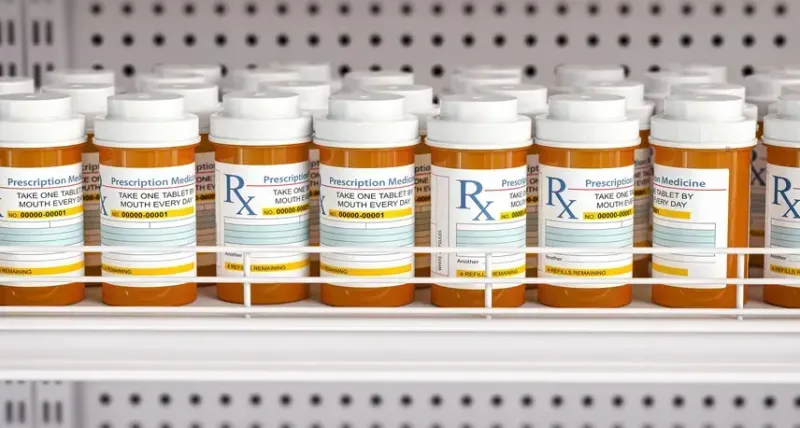
Photo: pharmacy shelf prescription medication boxes generic vs brand price comparison, via images.ctfassets.net
A Pill Is a Pill — Until You Read the Receipt
Atorvastatin, the statin taken by millions of Americans to manage cholesterol, is one of the most prescribed medications in the world. The active molecule does exactly the same work in Cleveland as it does in Calgary. Yet the price attached to that molecule can differ by a factor of ten or more depending on which side of the border the prescription is filled.
This is not a story about different drugs. It is a story about different systems wrapped around the same drug — and about what happens when a patient decides to compare the two.
The Brand Box and the White Label
Walk into a typical American chain pharmacy and ask for atorvastatin, and you may be handed the branded version — the little white label with the familiar corporate logo — unless you or your pharmacist specifically request otherwise. That box carries the accumulated cost of the original developer's research program, its patent-protected years on the market, and, long after the patent expired, the momentum of a name doctors and patients already recognize.
In Canada, the branded version occupies a much smaller share of the shelf. When the patent lapsed, generic manufacturers — many of them headquartered in Ontario and Quebec — began producing the identical molecule at prices regulated in part by provincial formularies and pan-Canadian pricing negotiations. The result: a thirty-day supply of generic atorvastatin commonly costs a handful of dollars in a Canadian pharmacy. The branded equivalent in the United States can run well over a hundred without insurance.
Where the Markup Actually Lives
Breaking down an American prescription receipt reveals several layers that simply do not exist — or exist in far smaller form — north of the border:
- Pharmacy benefit manager (PBM) fees. Middleman companies negotiate formulary placement and rebates, and portions of those negotiations are recouped through the price patients and insurers ultimately pay.
- Wholesale distribution. The American supply chain includes multiple wholesaler handoffs, each adding margin.
- Marketing and brand maintenance. Even off-patent, brand-name products carry advertising, sales-representative, and packaging costs that generic producers largely avoid.
- Unregulated list pricing. Unlike Canada's Patented Medicine Prices Review Board, which constrains what manufacturers may charge, American list prices are set by the market — and the market has tolerated steep increases.
None of these layers change the tablet itself. They change the invoice.
Why the Canadian Version Is Cheaper — Not Lesser
A frequent and reasonable question from first-time Canadian pharmacy customers: is the generic the same medicine? The answer is yes. Generic atorvastatin sold in Canada must demonstrate bioequivalence to the reference product and is reviewed by Health Canada under the same standards applied to brand-name drugs. The molecule, the dosage, the clinical effect — identical. What differs is the absence of a trademark premium.
For American patients, this matters most with maintenance medications. A statin, an antihypertensive, a proton-pump inhibitor such as esomeprazole — these are prescriptions filled month after month, year after year. A tenfold difference in monthly cost compounds quickly. Over a decade, the gap between the brand price and the generic price can exceed the cost of a family vacation, a car repair fund, or a year of retirement savings.
A Practical Comparison
Consider a patient paying cash in both countries, using publicly posted pharmacy prices as a guide:
- United States, brand-name atorvastatin, 30 tablets: frequently in the range of $100–$150 without coverage.
- United States, generic atorvastatin, discount card applied: often $10–$25, depending on the card's negotiated rate.
- Canada, generic atorvastatin, 30 tablets: commonly under $10 CAD, before any cross-border shipping.
The American generic with a discount card narrows the gap considerably — and for many patients, that is the most convenient option. But the discount-card price is itself a negotiated artifact, subject to change with each PBM contract cycle. The Canadian price, by contrast, sits within a regulated framework that has historically kept it low and stable.
From Brand Loyalty to Brand Arithmetic
The deeper lesson is not that Canadian pharmacies are magic. It is that brand recognition in pharmaceuticals is often a habit rather than a clinical preference — and habits have prices. Once a patient sees the same molecule listed at two figures on one receipt and one figure on another, the choice stops being emotional and becomes arithmetic.
For Americans managing long-term prescriptions on fixed incomes, that arithmetic is worth doing carefully. Ask your pharmacist or physician whether a generic equivalent is appropriate for your situation — clinically, the answer is usually yes. Then compare what that generic costs locally, with and without discount cards, against what a licensed Canadian pharmacy would charge for the identical product.
The tablet will look the same. The receipt will not.