Two Winters, One Medicine Cabinet: A Snowbird's Guide to a 90-Day Supply Done Right
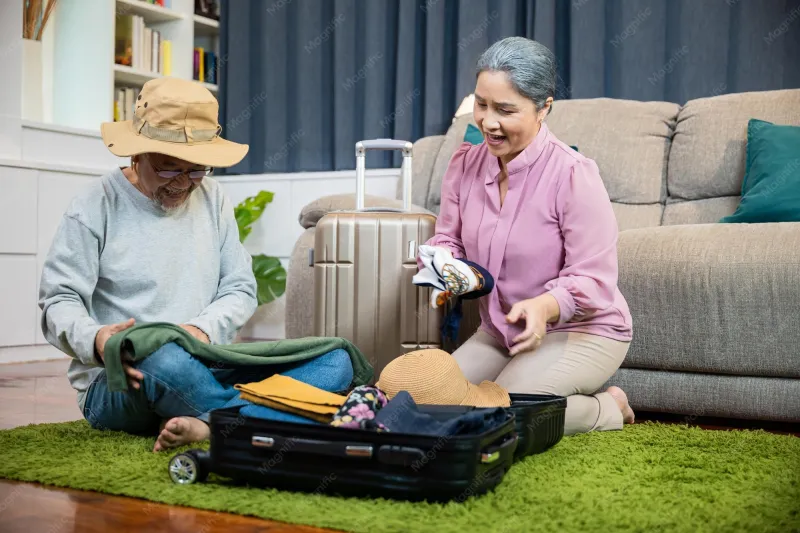
Photo: senior couple packing suitcase with prescription medication organizer travel, via img.freepik.com
Every autumn, the same migration repeats: retirees from Ontario and the Prairie provinces chase the sun to Arizona and Florida, while American expats and long-stay visitors do the reverse. What rarely gets planned as carefully is the medicine cabinet. A 90-day supply sounds simple until you're standing at a border crossing with four months of prescriptions and a customs officer with questions.
Know the Rules Before You Pack the Pill Organizer
The regulations differ depending on which direction you're travelling, and mixing them up is the most common snowbird mistake.
Canadians heading south: U.S. Customs and Border Protection generally permits a personal-use supply of medication — typically interpreted as up to 90 days — provided it is declared, in original packaging, and accompanied by a valid prescription. Controlled substances face stricter handling, and some drugs approved in Canada are not permitted at all. Check the FDA's guidance for your specific medications before booking.
Americans in Canada: Visitors can bring a personal-use quantity of their own prescriptions across the border, again with declaration and original labelling. What visitors cannot do is have a Canadian pharmacy fill an American prescription for shipment into the U.S. without following the importation rules that apply to personal orders — a distinction that matters enormously for anyone planning a long winter stay.
The 90-Day Math Problem
Here's where the arithmetic bites. If your insurer or pharmacy dispenses in 90-day increments, a 180-day winter means two fills — and the second one may fall while you're outside the country. Snowbirds have three common workarounds:
- Sync the refill dates so fills align with departure and return dates, ideally months in advance.
- Arrange an early refill where the insurer permits a vacation override — most Canadian drug plans and many American plans offer one with notice.
- Use a licensed Canadian pharmacy for the balance of the stay, provided you understand the personal-importation rules that apply to your situation.
The third option is where price often becomes the deciding factor. Canadian drug prices, regulated by the Patented Medicine Prices Review Board, routinely run well below U.S. retail for the same generic molecules — sometimes by 50 to 80 percent. For a maintenance medication taken year-round, that gap compounds across every winter away from home.
The Pre-Trip Medication Checklist
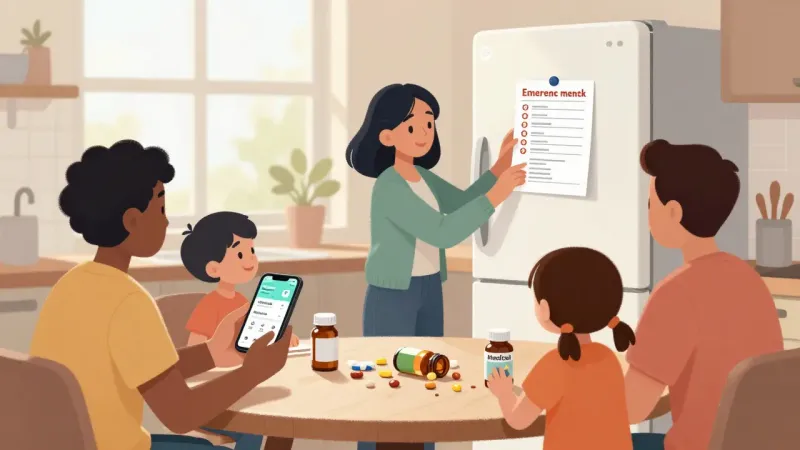
Print this and tape it to the fridge before you leave:
- Count your days. Total the exact length of your stay and add a two-week buffer for travel delays.
- Verify every prescription is current. Canadian and U.S. prescribers alike typically require an annual review for refills.
- Keep originals. All medication in pharmacy-labelled containers with the prescription label intact.
- Carry documentation. A printed prescription list and a doctor's letter for controlled substances.
- Declare everything at the border, in both directions.
- Know your storage needs. Insulin and biologics require cold storage — confirm your accommodations can accommodate a travel cooler.
- Map a refill contingency. Identify a licensed pharmacy near your winter address and confirm whether it can legally serve you.
- Check expiry dates — a supply that expires mid-trip is a supply you don't have.
One Last Word on Refills Abroad
A Canadian prescription cannot be filled from an American prescription indefinitely; Canadian pharmacists can only dispense against prescriptions they've legally received, and rules for cross-border prescriptions are strict. The safest route for extended stays is a telehealth consultation with a licensed Canadian prescriber who can issue a local prescription — a service many snowbird clinics offer during the winter season.
Plan the medicine cabinet the way you plan the flight: early, in writing, and with a backup. The beach is better when the refills are already handled.