From San Diego to Sacramento: Why the Same Prescription Costs Ten Times More Across the Border
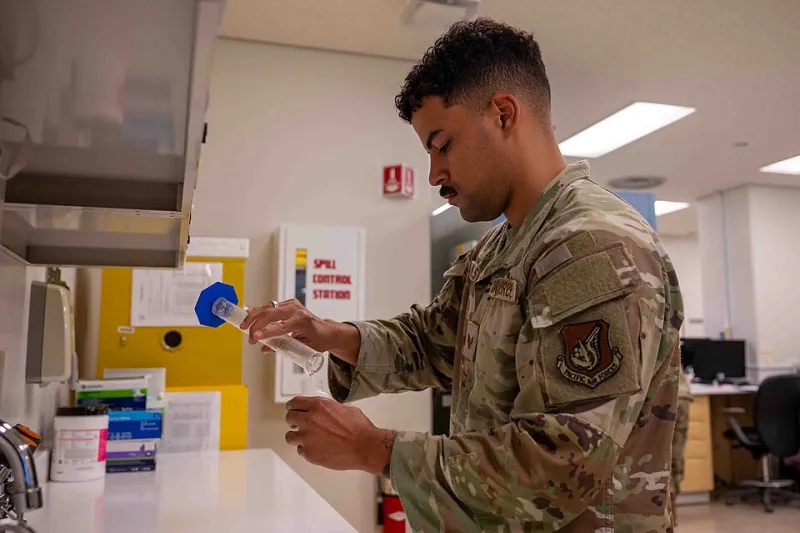
Photo: U.S. Air Force photo by Airman 1st Class Karina Lopez, Public domain, via Wikimedia Commons
For a patient filling a prescription in Los Angeles, the receipt can feel like a riddle: how can the same insulin, manufactured by the same company, cost $300 in California and $30 in Toronto? The answer has less to do with the drugs themselves and more to do with the two very different systems that set their prices.
The American Model: Negotiation Without Leverage
In the United States, drug prices are shaped largely by private negotiations between manufacturers and pharmacy benefit managers (PBMs) — intermediary companies that manage drug benefits for insurers. Critics across the political spectrum have argued that this arrangement lacks transparency and, in some cases, rewards higher list prices because PBM rebates are often calculated as a percentage of them.
Canada takes a different route. The Patented Medicine Prices Review Board (PMPRB), a federal quasi-judicial body, reviews the prices of patented medicines and prevents them from exceeding prices in comparable international markets. Provincial drug plans negotiate directly with manufacturers, giving them collective buying power that no single American insurer can match.
Patent Rules Play a Role, Too
Patent life is broadly similar in both countries, but the consequences differ. In Canada, once a patent lapses, generic competition moves quickly, and provincial plans actively steer prescribing toward lower-cost equivalents. In the U.S., tactics such as patent thickets and "pay-for-delay" settlements have historically extended monopolies well beyond the original twenty-year window, keeping generics off the market and prices elevated.
What the Gap Looks Like in Practice
The table below reflects typical cash-price ranges reported by American consumers versus commonly listed Canadian pharmacy prices. Individual prices vary by pharmacy, dosage, and supply, so treat these as illustrative rather than guaranteed.
| Medication | Typical U.S. Cash Price | Typical Canadian Price | Approx. Savings |
|---|---|---|---|
| Insulin glargine (Lantus) | $280–$350 | $35–$60 | ~85% |
| Atorvastatin (Lipitor) | $50–$120 | $15–$25 | ~70% |
| EpiPen (2-pack) | $600–$700 | $120–$180 | ~75% |
| Januvia (sitagliptin) | $500–$570 | $90–$130 | ~78% |
| Advair Diskus | $380–$450 | $70–$110 | ~75% |
| Humira (adalimumab) | $2,700+ | $1,200–$1,600 | ~45% |
| Xarelto (rivaroxaban) | $500–$600 | $110–$160 | ~75% |
| Eliquis (apixaban) | $550–$640 | $130–$180 | ~72% |
| Crestor (rosuvastatin) | $180–$260 | $40–$70 | ~75% |
| Lyrica (pregabalin) | $450–$600 | $80–$120 | ~80% |
For a Californian managing diabetes, high cholesterol, and asthma simultaneously, the annual difference can run into thousands of dollars — money that could otherwise go toward rent in Fresno or a mortgage in San Jose.
Why the Gap Persists
Three factors sustain it:
- No universal price benchmark. American prices float on negotiation; Canadian prices are anchored to international comparisons.
- Fragmented purchasing. Thousands of American payers negotiate separately. Canada's provinces and federal plans consolidate demand.
- Market isolation. Manufacturers argue the U.S. effectively subsidizes global R&D, which is why proposals to import Canadian drugs remain contested by the pharmaceutical industry.
What Californians Can Do Now
- Compare cash prices through transparency tools before paying sticker price at the counter.
- Ask your prescriber whether a generic or therapeutic equivalent exists.
- If considering a licensed Canadian pharmacy, verify credentials carefully — legitimate services require a valid prescription and employ licensed pharmacists.
- Check whether new federal or state programs, including Medicare negotiation provisions taking effect this decade, apply to your medications.
The price gap is not an accident of economics; it is the product of deliberate policy choices. Understanding those choices is the first step toward paying less for the medications you already need.