Behind the Counter in Winnipeg: How a Licensed Canadian Pharmacist Verifies Your American Prescription

Photo: Canadian pharmacist reviewing prescription at pharmacy counter, via img.freepik.com
At 7:45 on a Tuesday morning, the lights come on at a pharmacy just off Portage Avenue in Winnipeg. Before the first coffee is poured, licensed pharmacist Elaine T. is already reviewing an overnight queue of prescriptions sent electronically from the United States — a mix of refills for blood pressure medications, statins, inhalers, and diabetes treatments. By the end of her shift, dozens of orders will be verified, dispensed, double-checked, and sealed for the journey across the border. Here is how that process actually works.
Where the Prescription Comes From
Every legitimate order begins with a valid prescription from a licensed American prescriber. The document — whether faxed, transmitted electronically, or scanned — is logged into the pharmacy's system and matched to the patient's profile, which includes their medical history as declared at registration, current medications, and any noted allergies.
The first checkpoint is authenticity. Staff confirm the prescriber's licence details, contact information, and the prescription's completeness. Anything ambiguous goes back to the patient or the prescriber's office before a single tablet is counted.
Verification: The Step That Matters Most
Once the paperwork clears, a pharmacist reviews the prescription itself — dosage, drug interactions, duplications, and appropriateness. Elaine estimates that a small but meaningful percentage of orders generate a phone call: perhaps the American patient is also filling the same medication at a U.S. pharmacy, or a dose seems inconsistent with the patient's history. Those calls are not delays for their own sake; they are the same professional judgement applied to any patient, Canadian or American.
In Canada, pharmacists practise under provincial regulatory colleges that mandate documented checks on every dispensed prescription. That regulatory structure — not marketing language — is what underpins the safety of the process.
Dispensing and the Second Set of Eyes
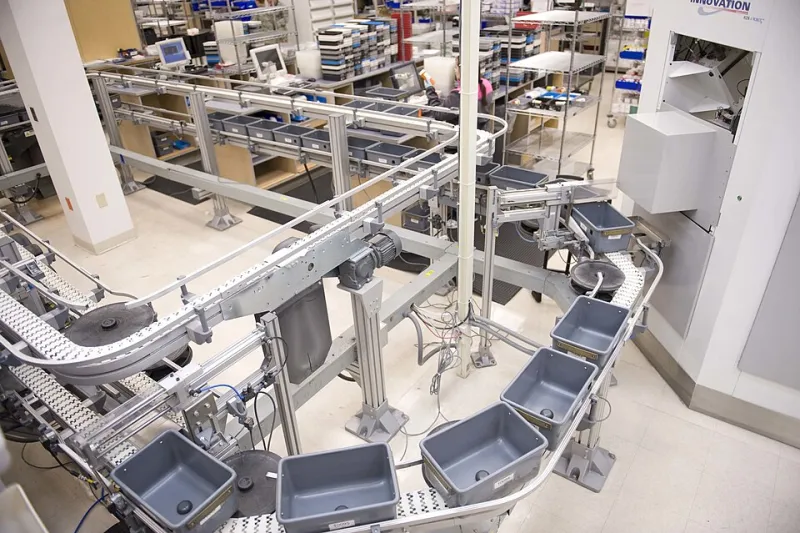
After verification, a trained technician fills the order, and the pharmacist performs an independent final check: right drug, right strength, right quantity, right patient, right labelling. Canadian labelling follows Health Canada requirements, with product monographs and lot numbers recorded for traceability.
Many brand-name medications sold in Canada are manufactured in the very same facilities as their American counterparts. The box may look different and carry a DIN (Drug Identification Number) instead of an NDC code, but the medicine inside is frequently identical.
Packing for the Trip South
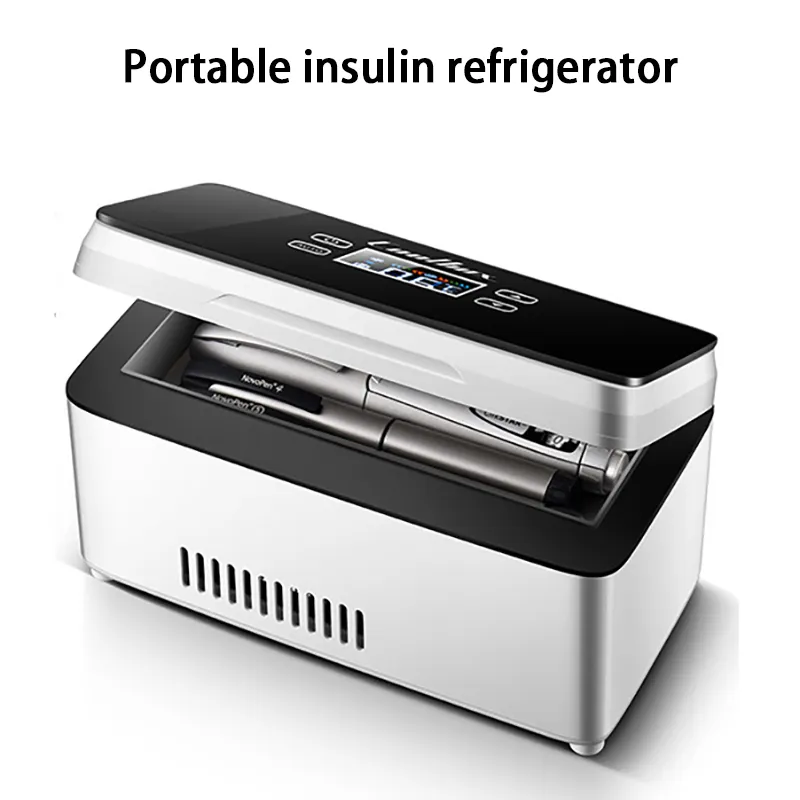
Temperature-sensitive products are packed with insulated liners and, where required, cold packs. Orders are shipped with tracking, and customs documentation accompanies every parcel. Reputable pharmacies are candid about timelines — typically one to two weeks — and about which products they will not ship, such as controlled substances that cross-border rules prohibit.
What Patients Should Ask — and What a Real Pharmacy Will Answer
Before ordering from any Canadian pharmacy, Americans should be able to get clear answers to the following:
- Is the pharmacy licensed by a Canadian provincial regulatory authority?
- Is a Canadian-licensed pharmacist available to speak with me?
- Do you require a valid prescription from my U.S. prescriber?
- Can you provide the product's manufacturer and country of origin?
- What is your policy if a shipment is delayed or damaged?
A legitimate operation answers these readily and documents everything. Evasion on any of these points is a warning sign worth heeding.
The Human Behind the Verification
Elaine describes the work plainly: "These are people rationing insulin or splitting tablets because of cost. The verification steps aren't bureaucracy — they're how we make sure the person on the other end gets exactly the right medicine." That combination of professional rigour and human attention is what patients should expect from any pharmacy they trust with their health.
Transparency, in the end, is the best safety feature. When patients can see — or at least understand — every step between their doctor's prescription pad and their mailbox, ordering from Canada stops being a leap of faith and becomes an informed decision.