When the Money Travels Back: Cancellations, Refunds, and the Loonie Problem Explained
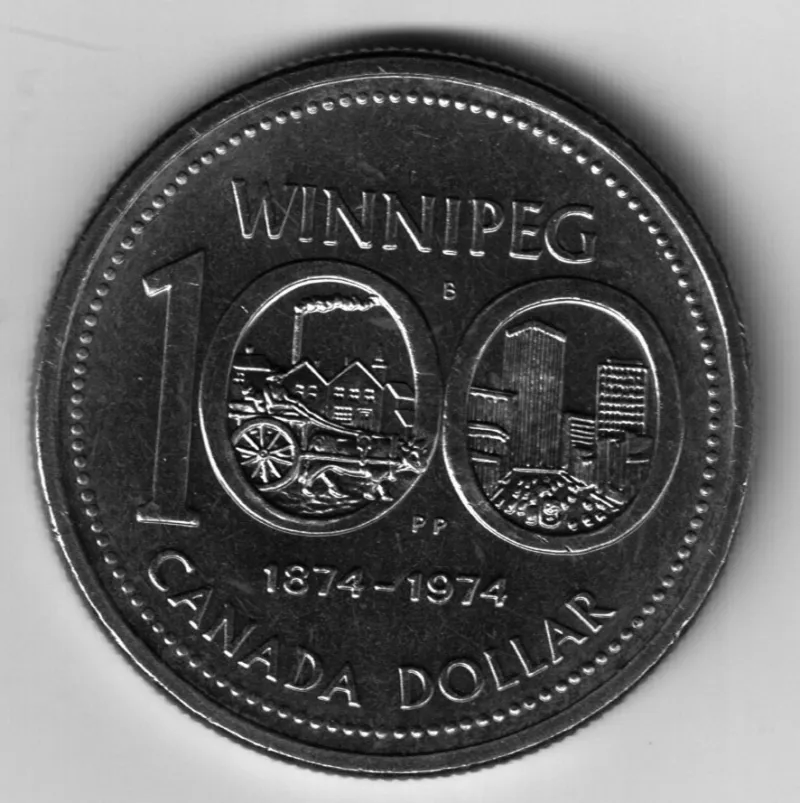
Photo: Snd3054, CC BY-SA 4.0, via Wikimedia Commons
The checkout page gets all the attention. Comparison guides, price tables, verification checklists — nearly everything written about cross-border pharmacies focuses on the moment you place an order. Far less is said about the other end of the transaction: the cancellation, the delayed shipment, the refund that arrives looking slightly smaller than what you paid.
That silence is a problem, because the end of a transaction is precisely where an unprepared consumer can lose real money. Here is what every American ordering from a licensed Canadian pharmacy should understand before a problem — not if, but when — arises.
Why Refunds Arrive in Canadian Dollars
When you place an order with a Canadian pharmacy, your credit card issuer processes the charge in Canadian currency and converts it to U.S. dollars at that day's rate, often adding a foreign transaction fee of one to three percent. The same process runs in reverse when a refund is issued.
This is where the trouble begins. Suppose you paid $150 USD for a 90-day supply of a maintenance medication when the exchange rate was 1.36. Two weeks later, the pharmacy cancels the order because your prescription could not be verified. The refund is issued in Canadian dollars — $204 CAD — but by the time your card issuer converts it back, the rate has shifted to 1.33, and the fee structure differs. Your refund lands as $147 USD.
Three dollars is not a crisis, but the principle matters: currency conversion is not symmetric. You absorb the spread twice — once going out, once coming back — plus any fees the pharmacy or card network applies. On larger orders, particularly specialty medications, the gap can reach meaningful sums.
The Cancellation Window Is Narrower Than You Think
Legitimate Canadian pharmacies operate under provincial licensing and the oversight of a licensed pharmacist who reviews every prescription before dispensing. That review typically happens quickly — often within one business day.
What this means practically: if you need to cancel an order, do so before the pharmacist review is complete. Once a prescription has been verified and dispensed, Canadian pharmacy regulations generally prevent restocking and re-selling the medication. Most reputable operators will not refund a dispensed prescription, and they are right not to — a returned medication cannot re-enter the supply chain safely.
Read the pharmacy's cancellation policy before ordering, not after. The better operators state their window explicitly, in writing, and confirm cancellations by email. If a site is vague about whether you can cancel at all, treat that as a signal about everything else it does.
Shipping Delays: Patience Versus Action
Cross-border shipments pass through customs, and delays of five to ten business days beyond the estimate are not unusual — particularly around holidays or when a package is selected for inspection. Before requesting a refund, contact the pharmacy. Licensed operations can often trace a package or reship a lost order at no charge, which is nearly always a better outcome than a refund that will arrive diminished by exchange rates.
A reasonable escalation path looks like this:
- Days 1–3 past the estimate: Contact the pharmacy for a tracking update.
- Days 4–10: Request a trace or investigation through the carrier.
- Beyond two weeks with no resolution: Ask for a reshipment or full refund, documented in writing.
- If the pharmacy is unresponsive: Escalate to your credit card issuer.
Chargebacks: A Tool, Not a First Resort
If a legitimate refund is refused or a pharmacy goes silent, a credit card chargeback is your recourse. File with the issuer, provide your documentation — order confirmation, emails, tracking records — and describe the failure factually.
Two cautions. First, chargebacks against legitimate pharmacies that have documented their compliance with their own policies rarely succeed, and disputing a valid charge can complicate future orders. Second, never use a debit card, wire transfer, or cryptocurrency for a first order from a new pharmacy. Credit cards carry dispute protections that these methods do not, and a pharmacy that insists on irreversible payment methods is telling you something important about itself.
Four Habits That Protect Your Money
- Order in U.S. dollar denominations when offered. Some pharmacies bill in USD directly, eliminating the conversion spread entirely.
- Use a card with no foreign transaction fee. The difference on a $300 order can be nine dollars or more.
- Keep every confirmation email. Refund disputes turn on documentation.
- Start small. A first order for one medication, not five, limits your exposure while you evaluate the pharmacy's service.
The Bottom Line
Ordering prescriptions from a licensed Canadian pharmacy is, for millions of Americans, a sound response to prices at home that defy explanation. But sound decisions require understanding the whole transaction, including its imperfect endings. Know the cancellation window, expect the currency spread, document everything, and keep a credit card between yourself and the loss. The refund that comes back a few loonies short is an annoyance. The refund that never comes back at all — because you paid in a form you couldn't dispute — is the one worth planning against.