When the Shelf Runs Empty: What Happens Behind the Scenes During a Cross-Border Medication Shortage
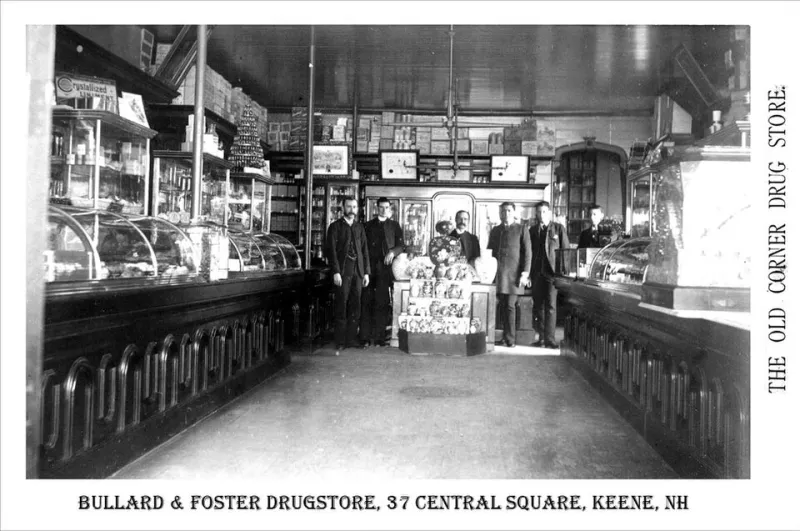
Photo: Keene Public Library and the Historical Society of Cheshire County from USA, No restrictions, via Wikimedia Commons
The phone call usually starts the same way: a patient in Ohio or Michigan has tried to refill a long-standing prescription, only to be told the medication is on backorder — with no clear answer on when it will return. Increasingly, those patients turn north, assuming Canada's supply chain might offer a reprieve. Sometimes it does. Sometimes it doesn't. What matters most is how a pharmacy communicates and adapts when it doesn't.
Shortages Are a Shared Problem — But Not an Identical One
Both the United States and Canada rely heavily on global generic manufacturing, so shortages frequently appear in both countries at once. That said, the patterns aren't identical. The U.S. market, with its larger volume and thinner generic margins, has historically experienced more frequent and more prolonged shortages of sterile injectables and hospital drugs. Canada's provincial formularies and single-payer purchasing in some segments can smooth certain supply bumps, though Health Canada has still reported hundreds of active shortages in recent years.
For American patients, the practical takeaway is this: a medication unavailable at your local pharmacy may still be in steady supply at a Canadian dispensary — and vice versa. Supply chains are national, not universal.
Step One: Confirming the Shortage Is Real
When a Canadian pharmacist receives an order they cannot fill, the first move is verification. Licensed pharmacies consult Health Canada's Drug Shortages Database, which manufacturers and wholesalers are required to report to, alongside their own wholesaler inventories. This matters for patient safety: a genuine shortage is documented and time-stamped, while a simple stock fluctuation may resolve within days.
Patients should be wary of any online pharmacy that claims unlimited availability of a drug widely reported as scarce. That discrepancy is a red flag, not a convenience.
Step Two: Sourcing and Therapeutic Substitution
Once a shortage is confirmed, a pharmacist has several options:
- Alternate suppliers. Canadian wholesalers often carry the same molecule from multiple manufacturers. Switching brands — even to a different generic — can resolve the gap without changing therapy.
- Therapeutic alternatives. Where clinically appropriate, a pharmacist may suggest a related medication in the same class. Critically, this requires the patient's prescriber back home to approve a substitution; a Canadian pharmacist cannot rewrite an American prescription.
- Partial fills and bridging supplies. Dispensing a smaller quantity to carry the patient through the shortage window, with a plan to complete the fill once stock returns.
- Compounding, in narrow cases where a licensed facility can prepare the medication from approved ingredients.
Every one of these paths runs through documentation. Reputable pharmacies log the shortage, the action taken, and the communication with the patient and their physician.
Step Three: Telling the Patient — Early and Clearly
The failure mode in most shortage situations is silence. A patient waits, assumes the order was lost, and risks running out of medication before anyone intervenes. A well-run pharmacy does the opposite: it contacts the patient the moment a delay is identified, states the expected duration based on Health Canada's reporting, and lays out the alternatives in plain language.
Patients deserve specifics: what's out of stock, why, what the substitute would be, and who they should speak to at their doctor's office about it.
Questions to Ask Before Your Next Refill
Whether you fill domestically or through a Canadian pharmacy, five questions will protect you during a shortage:
- Is this shortage officially reported to Health Canada or the FDA?
- Do you carry the same medication from another manufacturer?
- Can you provide a partial supply while stock is restored?
- What is the process for getting my American doctor to approve a therapeutic substitute?
- How will I be notified if my order is delayed?
The Bottom Line
A shortage is stressful, but it shouldn't be a mystery. The pharmacies that handle shortages well are the ones that treat communication as part of the prescription — confirming the problem, documenting every step, and looping in the patient's own physician before anything changes. Ask those questions up front, and an empty shelf becomes a manageable detour rather than a dangerous gap in care.