One Shift, One Counter, Countless Judgments: Inside the Mind of a Canadian Pharmacist Screening American Orders
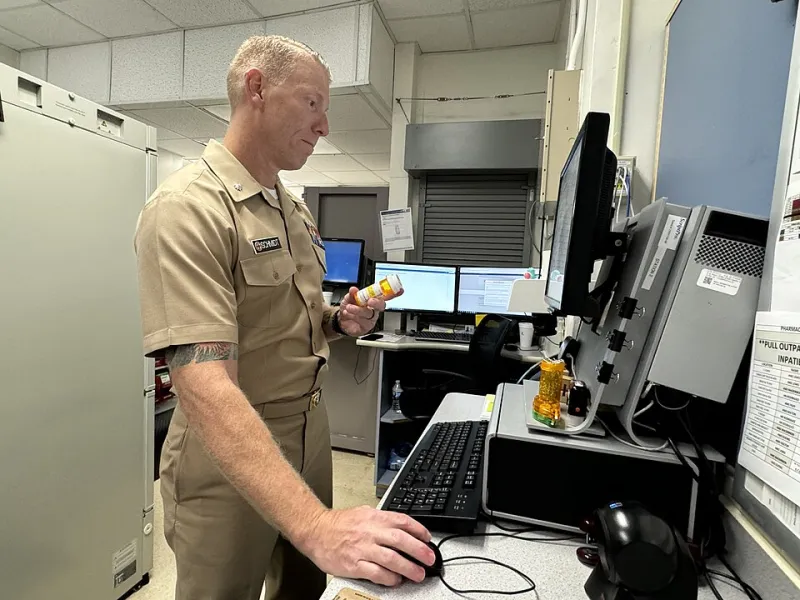
Photo: U.S. Navy NMRTC by Emily McCamy, Public domain, via Wikimedia Commons
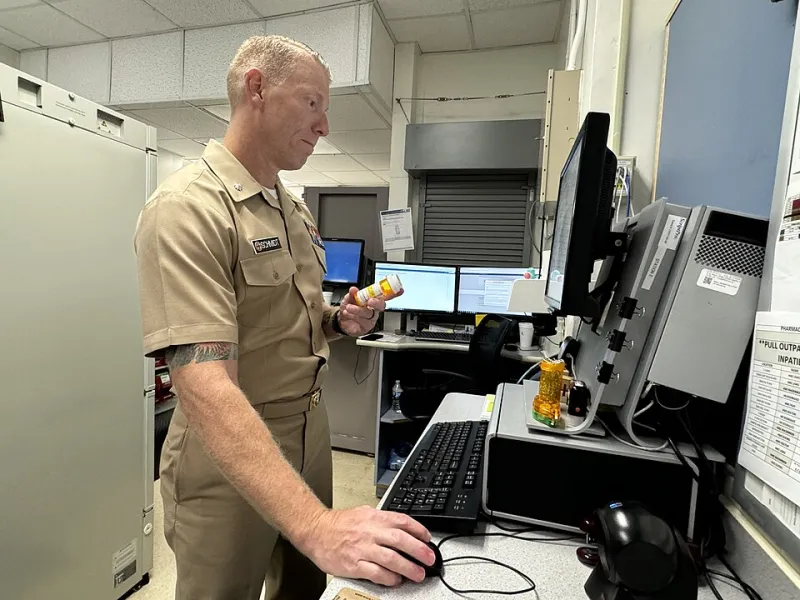
At 7:42 on a Tuesday morning, before the phones start ringing and long before any box gets taped shut, pharmacist Elena Marsh pulls the first file of the day. The prescription is for a statin, ordered by a retired schoolteacher in Ohio. The dosage looks routine. The prescriber's licence number checks out. And yet Elena spends four full minutes on this file before approving it — because four minutes is what it takes to do the job properly.
Most Americans who order medication from Canada never see this part. They see the website, the price, the tracking number. What they don't see is the layer of human scrutiny that sits between their order form and their mailbox. This article follows one pharmacist through one shift to show what that scrutiny actually looks like.
The Morning Queue: Triage Before Verification
By 8:15, the review queue holds more than sixty files. Elena doesn't work through them in order. She triages — flagging anything involving controlled substances, high-risk interactions, or pediatric dosing for immediate attention. A blood thinner prescription for an 81-year-old in Arizona jumps the line; these are the orders where a small error carries the largest consequence.
Her first tool is the prescription itself. Is it legible? Does the prescriber exist in the state board's public registry? Does the drug, dose, and quantity make clinical sense for the condition listed? A request for a ninety-day supply of a medication typically dispensed in seven-day quantities gets a phone call, not an approval.
The Call That Changes Everything
Around mid-morning, Elena dials a number in Florida. A patient's order lists two medications that interact dangerously when combined — a combination that may be perfectly safe if the patient's cardiologist recently adjusted one of them. The patient's daughter answers. Ten minutes of conversation later, the picture clarifies: the Florida prescriber had, in fact, discontinued one drug three weeks earlier, but the pharmacy on file had outdated records.
The order is amended. Without that call, the patient would have received a medication her own doctor had already taken her off. No automated system flagged it. A human did.
This is the part no FAQ page can convey. Verification isn't a checkbox; it's a conversation. Licensed Canadian pharmacists practising under provincial colleges — in Manitoba, the College of Pharmacists of Manitoba; in Ontario, the Ontario College of Pharmacists — carry the same professional accountability as their American counterparts. A licence lost in Winnipeg is a career ended, and everyone behind the counter knows it.
Red Flags and the Discipline to Refuse
After lunch, the queue delivers a classic: an order for an unusually large quantity of a opioid-adjacent medication, prescribed by a clinic with a ZIP code that doesn't match the patient's address, with a prescriber whose registration lapsed two months ago. Elena documents her findings, declines the order, and notifies the appropriate channels. Total elapsed time: eleven minutes.
Refusals like this happen daily. A legitimate Canadian pharmacy turns away business constantly — forged prescriptions, altered quantities, prescribers who don't exist, patients ordering for relatives under their own name. Each refusal is a small, unglamorous act of gatekeeping that protects someone, often an American consumer who will never know how close the order came to shipping.
What American Customers Should Take From This
If you order from Canada, here's what the human layer means for you in practice:
- Expect questions. A pharmacy that never calls to clarify a prescription isn't efficient — it's negligent.
- Expect limits. Certain medications won't ship across the border at all, and a refusal usually signals diligence, not obstruction.
- Expect documentation. Every approval and rejection is recorded and auditable under provincial regulation.
Elena finishes her shift at 6 p.m., having reviewed 118 files, made six clarification calls, and declined four orders. Every package in the outbound bin carries her professional signature in one form or another. That signature — not the discount, not the website design — is the real trust signal. The price difference gets your attention. The pharmacist keeps you safe.