The Refusal You Should Welcome: When a Licensed Canadian Pharmacy Declines Your Prescription
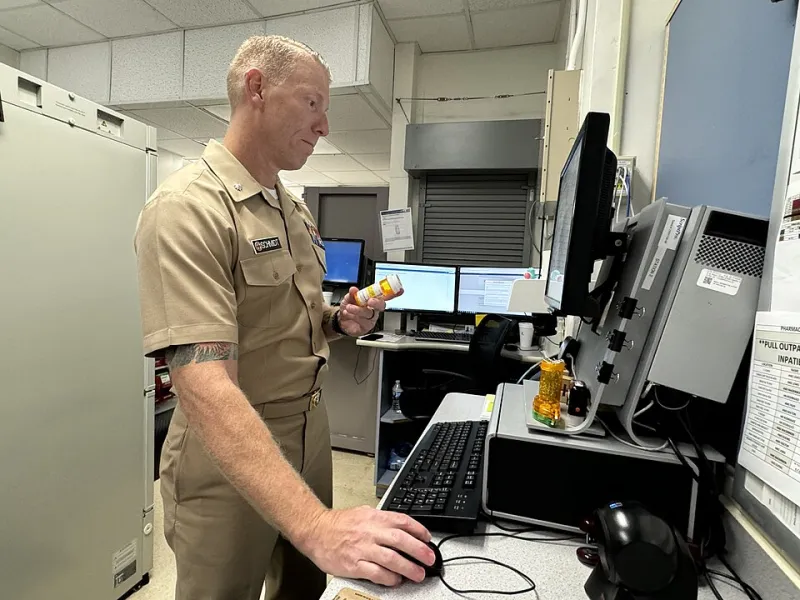
Photo: U.S. Navy NMRTC by Emily McCamy, Public domain, via Wikimedia Commons
Americans who first turn to Canadian pharmacies for affordable prescriptions often expect the transaction to be simple: send the prescription, pay, wait for the package. So when an order comes back declined, the instinct is frustration. It shouldn't be. In our experience covering cross-border pharmaceutical practice, a refusal from a licensed Canadian pharmacist is among the most reassuring outcomes a patient can encounter — and its absence should worry you.
Why a Pharmacist Would Rather Lose the Sale
In Canada, pharmacists are regulated health professionals. In provinces such as Ontario, British Columbia, and Alberta, they answer to provincial colleges that can revoke a licence for dispensing irresponsibly — not merely for dispensing incorrectly. That regulatory reality shapes behaviour in a way American consumers may not immediately appreciate: a Canadian pharmacist who fills a questionable order risks far more than the revenue that order represents.
When an online pharmacy operating out of Canada declines an American prescription, the decision is typically made by a licensed pharmacist reviewing the script and the patient history, not by an algorithm optimised for conversion. That distinction matters. It means the refusal usually has a clinical or legal basis, and it means someone qualified looked at your order before your money left your account.
The Three Most Common Reasons Orders Are Declined
The prescription cannot be verified. Legitimate pharmacies must confirm that a prescription originates from a licensed prescriber before dispensing. Scripts that arrive without prescriber contact information, that appear altered, or that list prescribers who cannot be located in a licensing registry will be refused outright. This protects patients from forged documents circulating in the supply chain — a genuine problem, given that counterfeit operations routinely ask for nothing more than a credit card number.
The dosing raises a red flag. A prescription for a statin at ten times the standard dose, or a controlled substance at a quantity no Canadian pharmacist could responsibly dispense, will not ship. Errors happen on American prescription pads more often than patients like to admit, and a pharmacist catching a likely transcription error — a 25 mg dose that should read 2.5 mg, for instance — can prevent real harm before it occurs.
The combination is dangerous. Even when a prescription is valid and correctly dosed, a pharmacist reviewing a patient's full medication list may identify a serious interaction: an anticoagulant paired with a supplement that increases bleeding risk, or two medications that together affect heart rhythm. Refusing to fill one part of an order until the prescriber is consulted is not obstruction. It is the job.
What a Refusal Policy Tells You About a Pharmacy
Patients evaluating an online pharmacy for the first time should look for evidence that the operation is willing to say no. A few markers distinguish the trustworthy from the reckless:
- A published verification requirement. Reputable pharmacies state plainly that a valid prescription from a licensed prescriber is mandatory, with no exceptions and no "doctor consultation" upsell that exists mainly to rubber-stamp orders.
- Named, licensed pharmacists. If the pharmacy identifies its pharmacists and their provincial licences, there is a professional standing behind each decision — including decisions to decline.
- A documented review process. Look for language about pharmacist review of every order, drug-interaction screening, and prescriber follow-up. Vague promises of "fast approval" with no mention of verification deserve suspicion.
- Willingness to contact your doctor. A pharmacy that resolves a discrepancy by calling the prescribing physician is doing the work properly. One that fills the order anyway, or suggests you "fix" the script yourself, is not.
The Red Flag: A Pharmacy That Fills Anything
The inverse of the refusal is equally instructive. Operations that accept prescriptions without verification, that offer to have their own prescriber "rewrite" an American script sight unseen, or that ship controlled substances across borders are not pharmacies in any meaningful regulatory sense. They are vendors, and the products they ship may contain nothing resembling the labelled drug. Health Canada and the U.S. Food and Drug Administration have both documented counterfeit products entering the market through exactly these channels.
The uncomfortable arithmetic is this: a pharmacy that never refuses an order is a pharmacy that never screens one. Every patient who values a genuine product, correct dosing, and a professional looking out for dangerous interactions should hope to be declined at least once in their ordering life — ideally over something trivial, resolved with a quick call to the prescriber.
How to Respond When Your Order Is Declined
If a licensed Canadian pharmacy declines your prescription, treat it as information rather than insult. First, read the reason provided. Verification failures can usually be fixed by supplying the correct prescriber details or a clearer copy of the script. Dosing concerns warrant a call to your American physician — the pharmacist may well have caught something worth catching. Interaction flags should be raised with your prescriber and any other pharmacies you use, so your full medication record reflects the concern.
And when the process is over, take note of how it felt. A pharmacy that protected you from a potentially harmful order has demonstrated precisely the judgement you want applied to every future refill. In cross-border pharmaceutical care, the most valuable sentence a pharmacy can say to you may be the one that costs it money: no — and here is why.